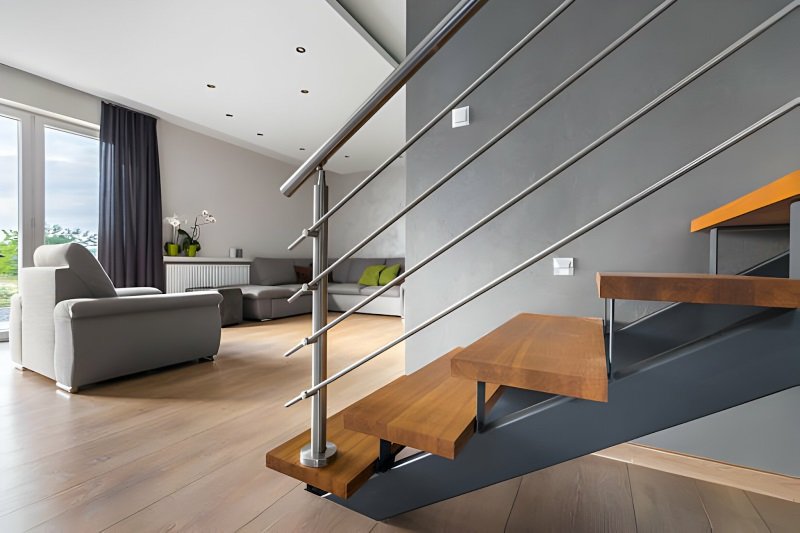
Metal handrails for stairs are essential additives of any building, presenting critical support and safety to occupants. However, it’s no longer just about installing any handrail; making sure compliance with constructing codes and policies is paramount to ensure the protection of users.
In this article, we’re going to delve into the importance of adhering to code necessities whilst installing steel handrails for stairs and discover the important thing issues for attaining compliance.
Understanding Building Codes and Regulations
Building codes and policies establish minimum standards for the construction and layout of buildings, together with necessities for handrails on stairs. These codes are implemented to safeguard the fitness, safety, and welfare of building occupants. Compliance with those policies isn’t only important for criminal motives but also important for preventing accidents and accidents.
Key Code Requirements for Metal Handrails
Building codes stipulate particular requirements for the layout, dimensions, and setup of metallic handrails for stairs. Some of the key concerns include:
Height and Clearance
One of the essential necessities is the height of the handrail. In maximum jurisdictions, handrails have to be mounted at a consistent peak, usually between 34 to 38 inches above the nosing of the stair treads. This ensures proper assist and graspability for users of varying heights. Additionally, good enough clearance among the handrail and adjacent surfaces, which includes walls or guardrails, ought to be maintained to save you from obstructions.
Strength and Durability
Metal handrails must be structurally sound and able to withstand anticipated hundreds and stresses. Building codes regularly specify the minimum electricity necessities for substances utilized in handrail creation, together with stainless steel or wrought iron. Ensuring the proper gauge and thickness of metallic additives is important to prevent bending, deformation, or failure under load.
Gripability and Continuity
The design of the handrail ought to facilitate a secure grip for users, selling balance and self-assurance even as ascending or descending stairs. Codes may additionally mandate precise dimensions for handrail profiles, such as diameter or move-sectional form, to ensure comfortable greedy. Additionally, handrails should offer continuous guidance along the whole length of the staircase, without interruptions or gaps that might pose dangers.
Installation Guidelines for Code Compliance
Achieving code compliance with steel handrails for stairs entails meticulous installation practices. Here are some essential suggestions to comply with:
Secure Attachment
Handrails need to be securely anchored to the structure of the building, with sufficient attachment points to resist carried-out loads. Mounting brackets or supports need to be securely fixed to structural factors together with walls, posts, or balusters, following producer suggestions and engineering standards. Adequate reinforcement can be important for installations on fragile or light-weight substances.
Consistent Alignment
Maintaining steady alignment and orientation of the handrail is crucial for usability and accessibility. Handrails need to be mounted parallel to the pitch of the steps, with uniform top and clearance alongside the complete duration. Deviations from the prescribed alignment can obstruct users’ ability to comprehend the handrail without problems and may violate code necessities.
Visibility and Contrast
In addition to structural issues, visibility and contrast are important factors in ensuring handrail protection. Building codes may additionally specify requirements for contrasting colors or finishes to beautify the visibility of handrails, specifically in low-light conditions or environments with visually impaired occupants. Ensuring ok lighting and evaluation between the handrail and surrounding surfaces can resource in navigation and reduce the danger of injuries.
Periodic Maintenance and Inspections
Once installed, steel handrails for stairs require everyday preservation and periodic inspections to make certain continued compliance with construction codes and standards. Maintenance duties may additionally consist of:
Inspection of Anchorage and Connections
Regularly inspecting the anchorage factors and connections of steel handrails is critical to locate symptoms of loosening, corrosion, or structural degradation. Any deficiencies ought to be promptly addressed through restoration or substitute to maintain the integrity and balance of the handrail device.
Surface Inspection and Maintenance
Inspecting the floor situation of steel handrails is essential for figuring out corrosion, rust, or different sorts of deterioration which can compromise their energy and durability. Depending on the material and finish, periodic cleaning, polishing, or protective coatings can be important to keep the advent and performance of the handrail.
Compliance Verification
Periodic inspections by means of qualified specialists can assist confirm compliance with building codes and regulations, making sure that steel handrails meet the desired standards for top, energy, gripability, and continuity. Any deviations or non-compliance troubles should be right away addressed to mitigate capacity protection risks.
Conclusion
Ensuring code compliance with metal handrails for stairs is critical for maintaining a safe and steady environment in buildings. By knowing the relevant building codes and policies, adhering to key necessities for handrail layout and setup, and implementing normal maintenance and inspections, property owners can guard against injuries and injuries at the same time as selling accessibility and usefulness for occupants.
Prioritizing protection first guarantees that metallic handrails satisfy their crucial role in enhancing the protection and functionality of staircases in residential, commercial, and institutional settings.